
A beginning worth sharing

Nearos.

Meet through shared interests, work you care about, and meaningful things to do together.
  • Discover nearby people with real context
  • Quest creates lighter shared openings nearby
  • Circle keeps groups and communities active over time
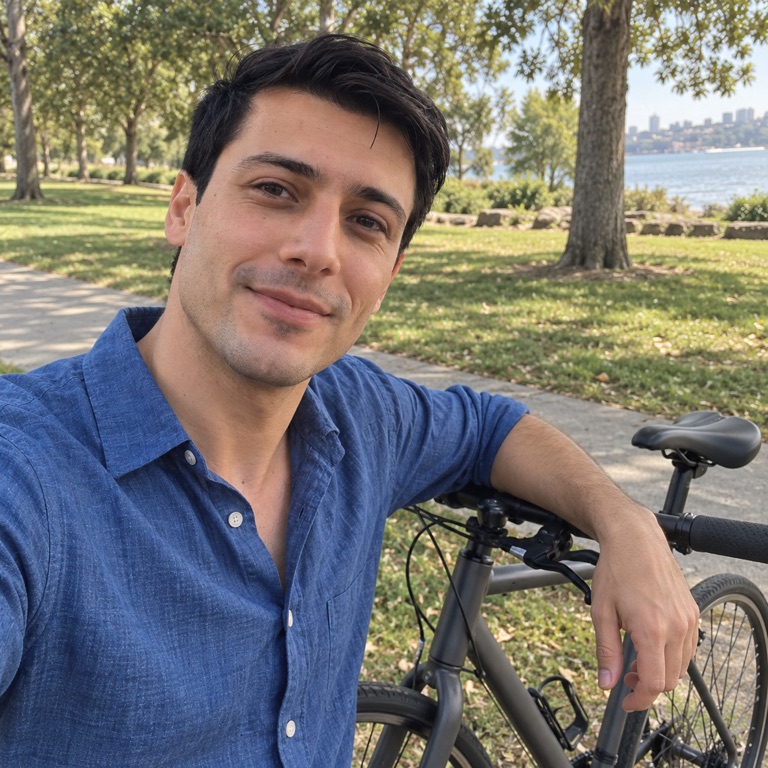
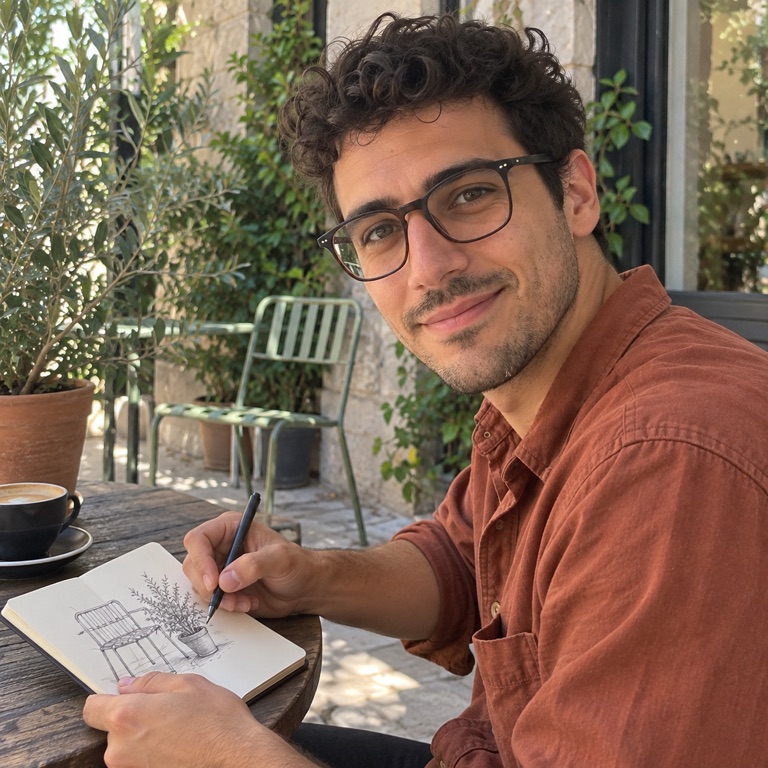
AI-generated fictional adult exploring a personal interestAI-generated fictional adult exploring a personal interestAI-generated fictional adult exploring a personal interest

Fictional sample people · shared interests, work and a reason to begin.

What Nearos is

A local product for meeting people, starting naturally, and staying connected.

Nearos is built to make nearby interaction feel less awkward, more human, and easier to begin.

Discover nearby people

Find locals, peers, and opportunities worth acting on instead of scrolling past random profiles.

Start through Quests

Use shared activity, lighter prompts, and nearby openings that make the first step feel easier and more natural.

Stay connected through circles

Join local groups, societies, and communities that give connection somewhere real to continue.

Why it feels different

A reason to begin. Room to continue.

It stays warm, local, and grounded in what people can actually do nearby.

Context before cold outreach

People feel easier to approach when you can actually see the nearby context around them.

A real reason to begin

Quest gives people something simple to do together instead of leaving the first step entirely to chance.

Built for repeat connection

Circle lets groups, campuses, and communities keep meeting instead of ending after one good conversation.

Local by design

Density, trust, and repeated nearby interaction matter more than pretending the product is already everywhere.

NETWORK IN DEVELOPMENT

A person.
A reason to talk.
Something together.

A prototype to explore, not a claim of proven outcomes.

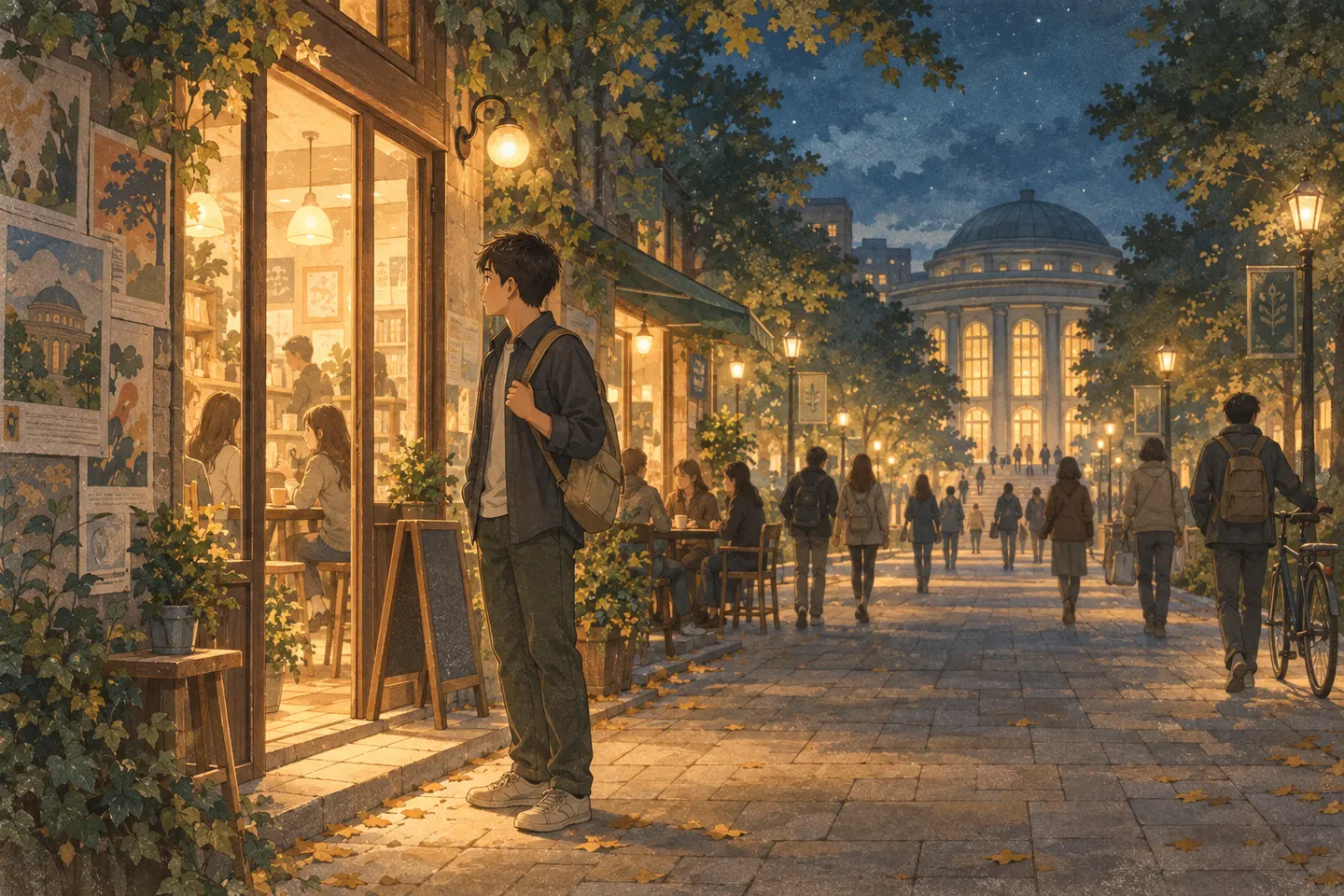
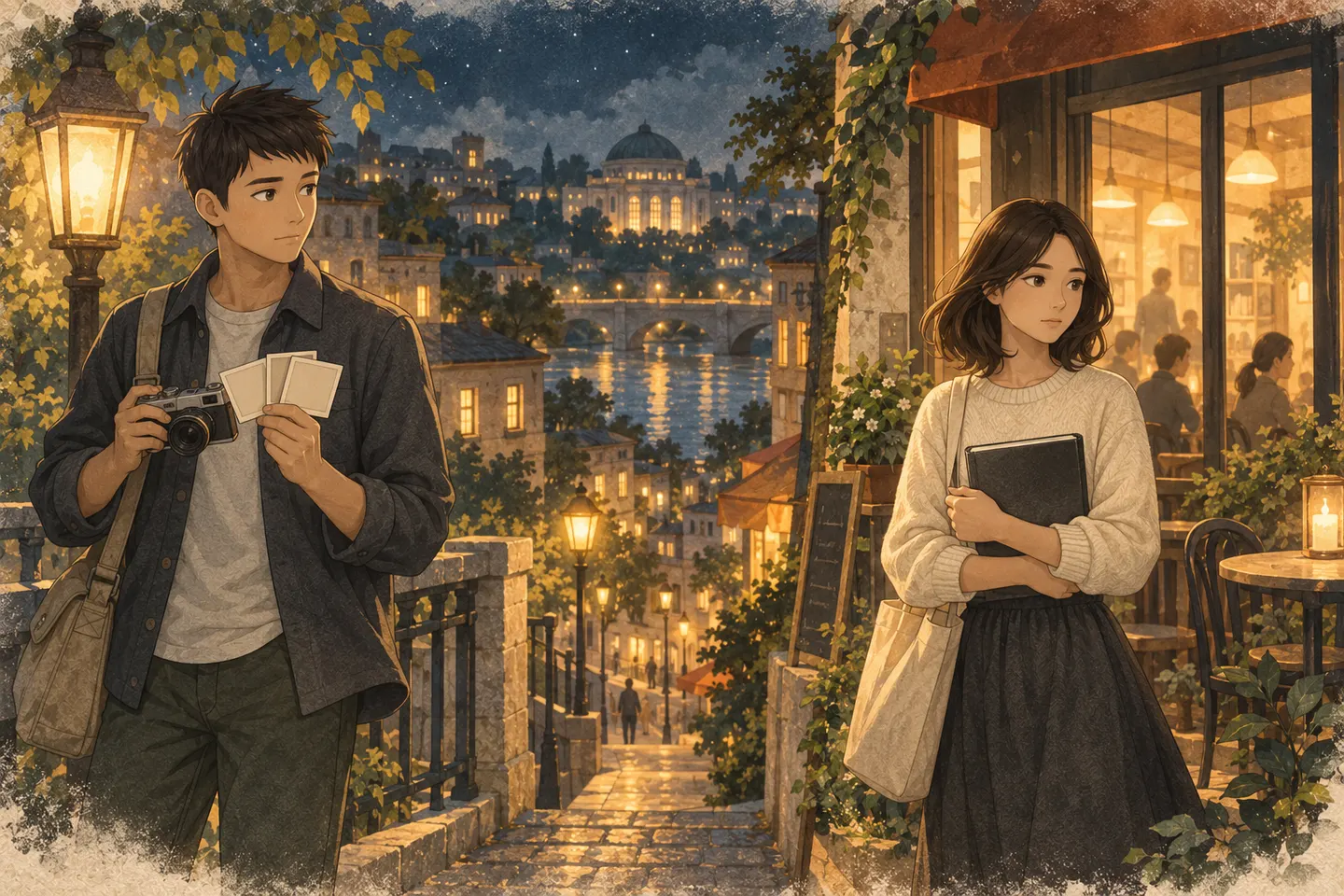
Kai pauses outside a warmly lit café on a quiet night street near campus.
01 / 08
Card 01 Night makes the first step visible

After dark, the city grows quieter.

A few café lights stay on.

Posters for screenings, walks and small gatherings are still waiting for someone to set out.

Someone hurries for the last train.

Someone pauses at a doorway.

A place can be close enough to reach, and still take a little courage to enter.
Kai is a student.

His phone holds places he means to visit and fragments of a night-time city film.

He wants to finish thirty seconds.

He keeps rearranging three shots, unable to find a beginning.

Mira has just started working.

By day, she shapes other people’s ideas into storyboards.

After work, her own sketchbook stays closed.

She wants to draw a story she chooses, but worries that saying yes will mean another project with no end.

They each wait for a better moment.

The city keeps moving.
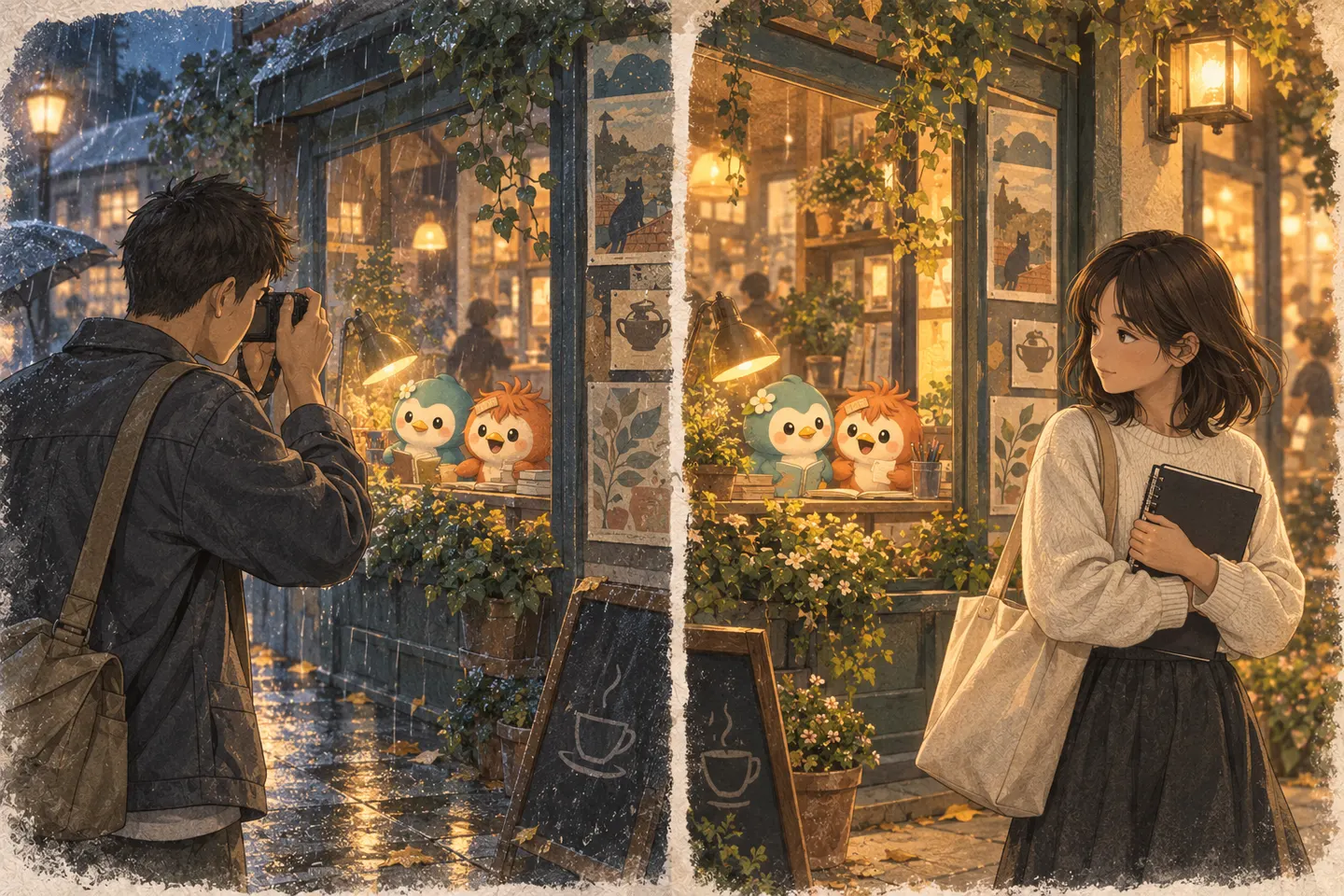
They have stopped at the same poster, hours apart.

Photographed the same café window: one in rain, one in evening light.

Kai saves a screening.

Mira goes, then takes a thought home with her.

That night, each wishes there were someone to talk it through with.

If the city could fold into a book, Nene would leave a little room in the margin.

For an unfinished thought.

For someone who isn’t ready yet.

Roro pulls up a chair and draws a small door beside the space.

Kai and Mira’s pages are still theirs to turn.

Kai finds an unfinished storyboard by Mira.

A revision note makes him pause: this shot needs a little more room to breathe.

Mira opens Kai’s street footage.

Traffic fades; the light at a window lingers.

Kai types an introduction, deletes it and tries again.

His footage doesn’t feel good enough.

Finally, he sends the unfinished twenty seconds with one question: which shot could open the film?

Mira doesn’t answer straight away.

She watches again and sketches two frames.

Kai offers to film and record the sound, asking her to try those frames together.

Mira opens her own sketchbook at last.
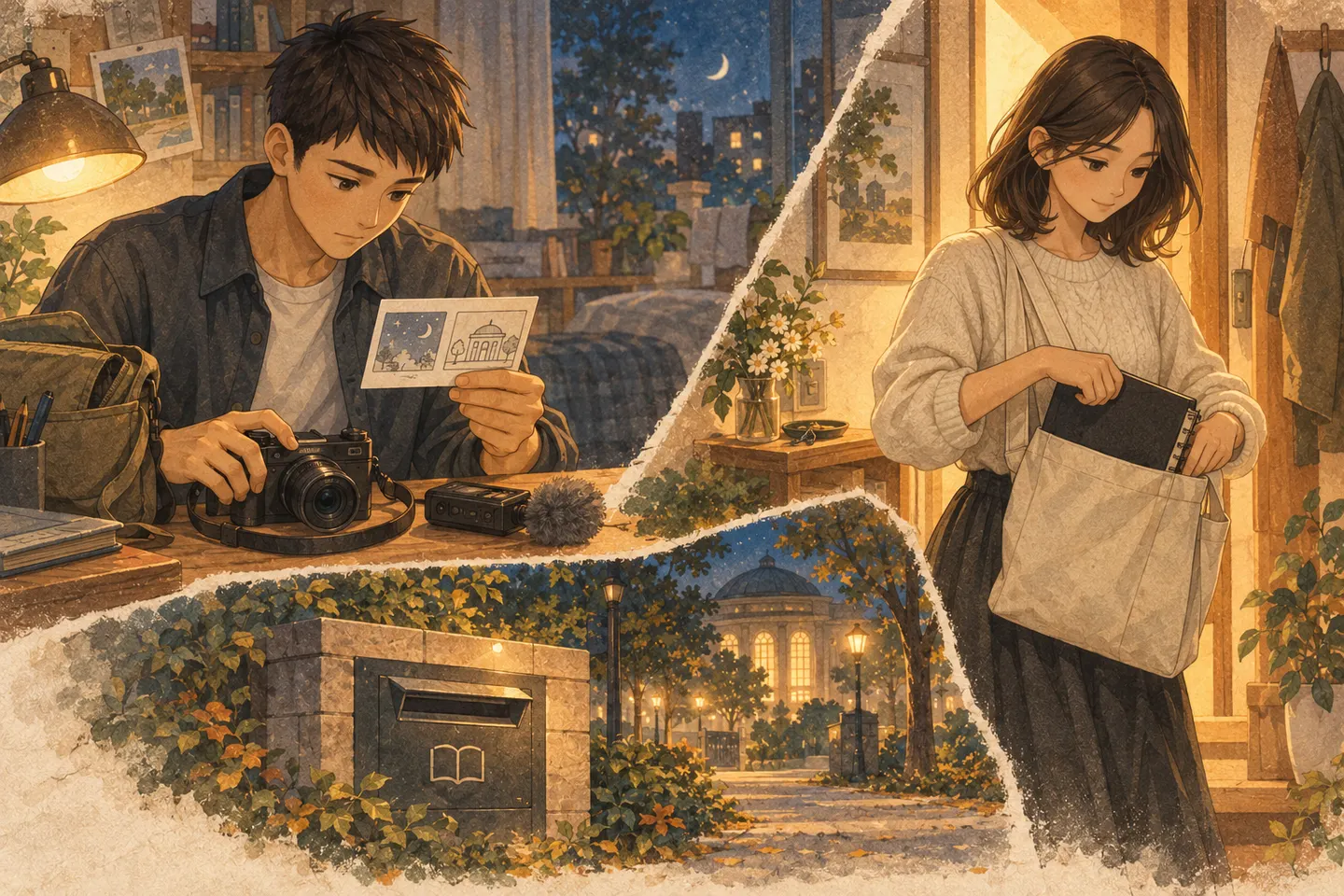
They choose half an hour on Saturday evening to try an opening.

Kai copies the two frames onto a small card: the letter box behind the library, and light left behind as someone passes.

Mira adds a sentence on the back to give the images a direction.

Kai brings a camera and sound recorder.

Mira brings her sketchbook.

Before leaving, Kai checks the card once more.

This time, he doesn’t save the place for another day.

For a moment, neither quite knows what to do with their hands.

The first shot is blurred.

On the second try, Mira notices the light behind the letter box and asks Kai to step back.

Kai hears a train passing.

He signals for a moment to catch the sound.

They walk slowly, talking about deleted footage, first jobs and places saved for another day.

Half an hour later, the memory card holds three usable shots.

Mira draws a small tick beside the storyboard.

On the way home, Kai asks how her first job began.

This time, he gets the question out.

That night, Kai makes a thirty-second rough cut.

Mira changes the order of two shots.

They watch it again.

They share a small work update: filming, sound and editing by Kai; storyboards and shot sequence by Mira.

At the end sits a question: next time, could they film the same window in the rain?

The small door on the page now has a path through it.

Nene keeps the margin open.

Roro sets down his pencil.

The city still has so many lights.

This time, one belongs to their story.

Where would you begin the next page?

Kai pauses outside a warmly lit café on a quiet night street near campus.
Card 01

Night makes the first step visible

After dark, the city grows quieter.

A few café lights stay on.

Posters for screenings, walks and small gatherings are still waiting for someone to set out.

Someone hurries for the last train.

Someone pauses at a doorway.

A place can be close enough to reach, and still take a little courage to enter.

Kai holds a camera and three blank storyboard cards; Mira keeps her sketchbook closed across the city.
Card 02

Different edges of the same city

Kai is a student.

His phone holds places he means to visit and fragments of a night-time city film.

He wants to finish thirty seconds.

He keeps rearranging three shots, unable to find a beginning.

Mira has just started working.

By day, she shapes other people’s ideas into storyboards.

After work, her own sketchbook stays closed.

She wants to draw a story she chooses, but worries that saying yes will mean another project with no end.

They each wait for a better moment.

The city keeps moving.

Kai photographs a café window in rain; Mira pauses at the same window in evening light, with Nene and Roro inside.
Card 03

Already nearby

They have stopped at the same poster, hours apart.

Photographed the same café window: one in rain, one in evening light.

Kai saves a screening.

Mira goes, then takes a thought home with her.

That night, each wishes there were someone to talk it through with.

Nene and Roro hold an open notebook and draw a tiny doorway, with Kai and Mira in the storybook scene.
Card 04

Nene keeps a place. Roro turns a page.

If the city could fold into a book, Nene would leave a little room in the margin.

For an unfinished thought.

For someone who isn’t ready yet.

Roro pulls up a chair and draws a small door beside the space.

Kai and Mira’s pages are still theirs to turn.

Nene and Roro turn pages showing Kai’s night footage and Mira’s unfinished storyboard.
Card 05

A page turns towards a person

Kai finds an unfinished storyboard by Mira.

A revision note makes him pause: this shot needs a little more room to breathe.

Mira opens Kai’s street footage.

Traffic fades; the light at a window lingers.

Kai types an introduction, deletes it and tries again.

His footage doesn’t feel good enough.

Finally, he sends the unfinished twenty seconds with one question: which shot could open the film?

Mira doesn’t answer straight away.

She watches again and sketches two frames.

Kai offers to film and record the sound, asking her to try those frames together.

Mira opens her own sketchbook at last.

Kai prepares his camera and recorder; Mira packs her sketchbook, with a library letter box marking their destination.
Card 06

One small card. One small thing.

They choose half an hour on Saturday evening to try an opening.

Kai copies the two frames onto a small card: the letter box behind the library, and light left behind as someone passes.

Mira adds a sentence on the back to give the images a direction.

Kai brings a camera and sound recorder.

Mira brings her sketchbook.

Before leaving, Kai checks the card once more.

This time, he doesn’t save the place for another day.

Kai films beside the library letter box while Mira points towards the lamp light; Nene and Roro watch.
Card 07

At last, the same moment

For a moment, neither quite knows what to do with their hands.

The first shot is blurred.

On the second try, Mira notices the light behind the letter box and asks Kai to step back.

Kai hears a train passing.

He signals for a moment to catch the sound.

They walk slowly, talking about deleted footage, first jobs and places saved for another day.

Half an hour later, the memory card holds three usable shots.

Mira draws a small tick beside the storyboard.

On the way home, Kai asks how her first job began.

This time, he gets the question out.

Nene and Roro leave an open notebook page beside three pictures of Kai and Mira’s city walk.
Card 08

Leave a place for the next page

That night, Kai makes a thirty-second rough cut.

Mira changes the order of two shots.

They watch it again.

They share a small work update: filming, sound and editing by Kai; storyboards and shot sequence by Mira.

At the end sits a question: next time, could they film the same window in the rain?

The small door on the page now has a path through it.

Nene keeps the margin open.

Roro sets down his pencil.

The city still has so many lights.

This time, one belongs to their story.

Where would you begin the next page?

Which page do you want to turn first?

Product preview

From a relevant person to a shared next step.

Explore the actual web prototype: fictional profiles, contextual Chat, a small Quest and optional Circle continuity.

Discover

Find a person relevant to what you want to do.

Explore current goals, interests, work and self-described contributions. Start with a specific reason to talk.

Interactive web prototype · sample dataExplore Discover
  • Browse people and openings with enough context to care
  • Designed for nearby relevance instead of profile drift
  • Best for finding who feels worth talking to

Quest

Turn nearby free time into a shared first step.

Explore a small shared activity, choose whether to participate, and keep its purpose clear. This remains a prototype, not a live activity service.

Interactive web prototype · sample dataExplore Quest
  • Built around nearby availability and shared timing
  • Gives both sides something meaningful to do together
  • Best for breaking the ice without forcing a cold opener

Circle

Give communities, societies, and local groups a place to stay connected.

Circle is where organizations and nearby communities can host their own space, and where people can join the circles already forming around them.

Interactive web prototype · sample dataExplore Circle
  • Supports societies, clubs, teams, and local communities
  • Lets people join circles tied to where they already are
  • Best for keeping connection alive after the first meeting

Local launch

Sydney students and young working adults.

The first audience spans study, working life, creative collaboration and shared interests. A useful interaction comes before choosing a payer.

  • One bounded, voluntary test before expansion
  • Real usefulness, response and coordination still need validation
  • No live community, partner or launch wave is implied by this prototype

VALIDATION BEFORE EXPANSION

Useful to both people.

Nearos still needs to learn whether people voluntarily reply, agree a next step and complete something useful. Synthetic profiles and polished screens cannot answer that.

TRY A FICTIONAL WALKTHROUGH

Take a small next step.

Explore a fictional person, their work, a sample conversation and a mutually agreed next step.

All profiles, messages and plans in this demo are simulated. No sign-in, public profile or real booking is created.

FAQ

A prototype, with clear boundaries.

What the prototype shows, and what still needs to be learned.

What is Nearos?

Nearos is a network prototype for Sydney students and young working adults, connecting shared interests and work with a conversation and a small next step.

Is it a dating app?

No. Nearos is not built as a romance-first matching product. It is about meaningful nearby people, intros, conversations, and opportunities.

Is it only for students?

No. The first intended audience includes Sydney students and young working adults. The fictional demonstration spans both.

Where does the first audience live?

Sydney. A reachable shared-purpose group still needs to be chosen for a small consent-based test. No campus partnership or launch wave is confirmed.

What can I try today?

Open the web prototype to explore fictional people, their work, scripted conversations and simulated plans. It does not create a real account, message or reservation.

What kinds of connection is Nearos for?

Thoughtful introductions, shared activities, active circles, collaboration, and nearby opportunities worth acting on.